How I Treat
Your Session May Include:
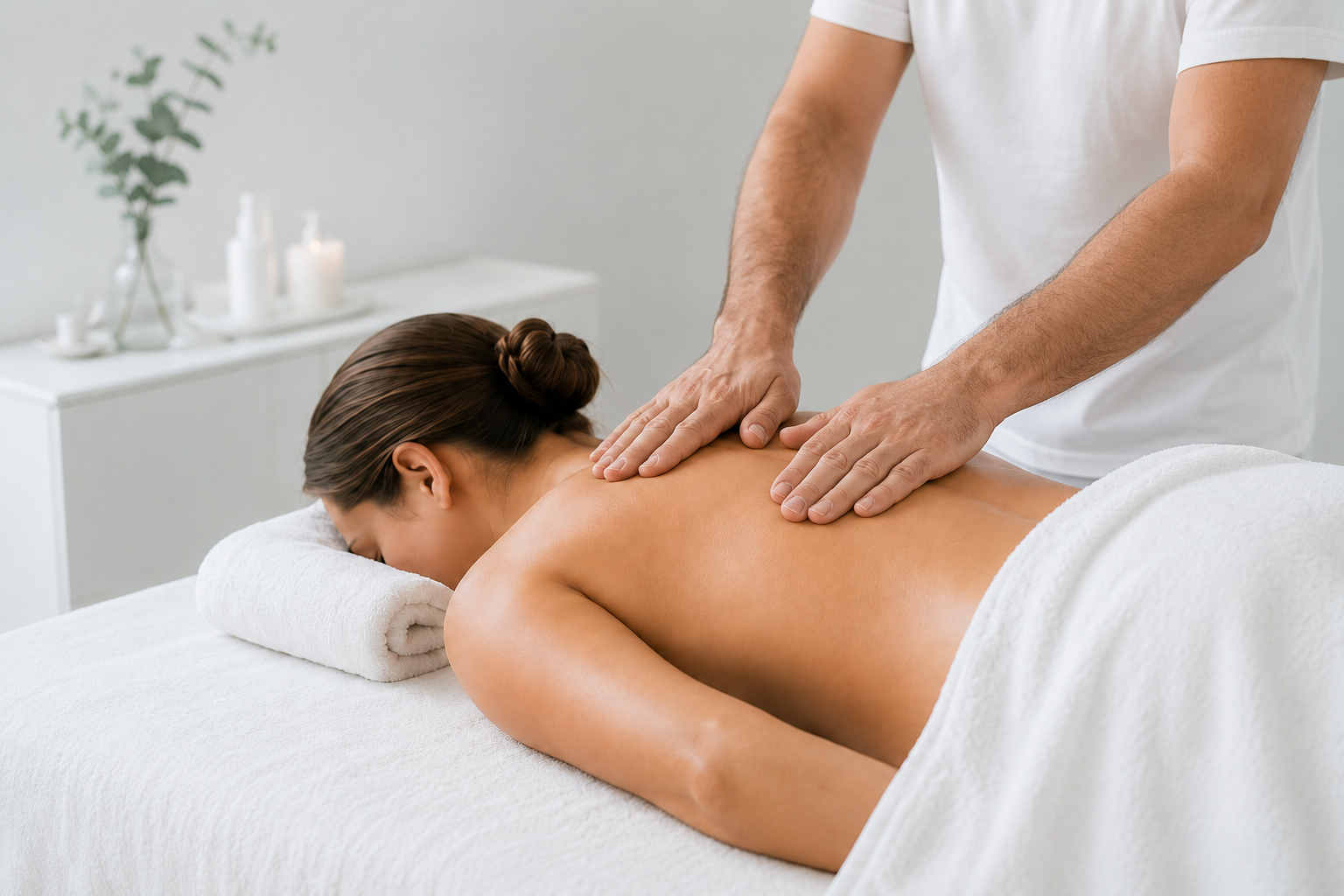
Massage Therapy
Massage Therapy is a hands-on treatment that uses a variety of massage techniques to relieve muscle tension, improve circulation, reduce stress, and support the body’s natural recovery. Depending on your needs, treatment may include either Classic Massage or Deep Tissue Massage.
Classic Massage
Classic/Swedish massage uses gentle to moderate pressure with smooth, flowing movements to relax the muscles, improve circulation, and promote overall well-being. It is commonly used to reduce stress, ease muscle tension, and support physical and mental relaxation.
Deep Tissue Massage
Deep tissue massage uses slower, firmer pressure to target deeper layers of muscles and connective tissue. It is commonly used to relieve chronic muscle tension, improve mobility, reduce discomfort, and support recovery following physical activity or injury.
Every massage is tailored to your individual needs, allowing the most appropriate techniques and pressure to be used for your condition and treatment goals.
Please note: Massage Therapy is a complementary treatment and should not replace professional medical advice or care.
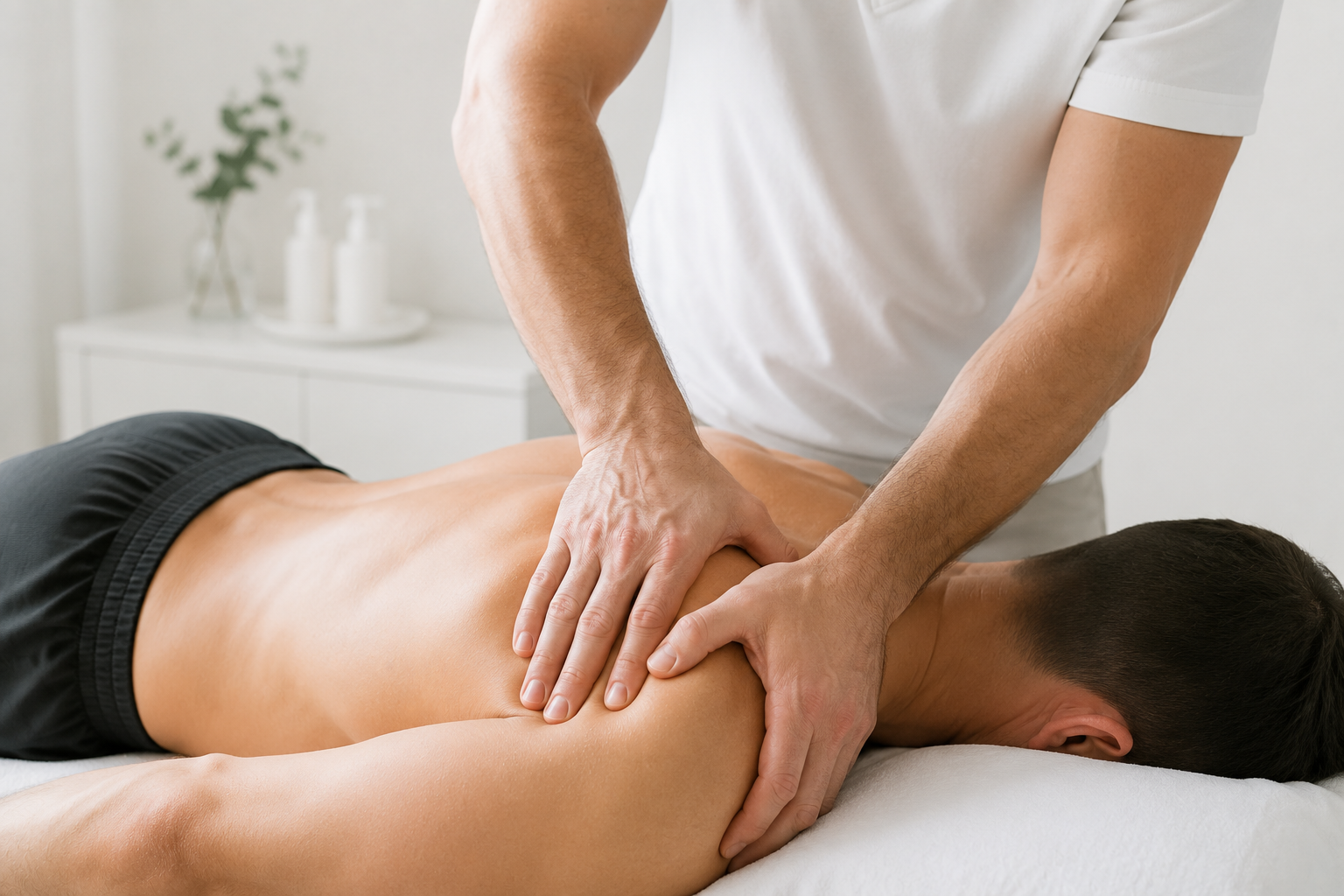
Manual Therapy
Manual therapy is a hands-on treatment that focuses on restoring movement, reducing pain, and improving the function of muscles, joints, and connective tissues. Using a combination of assessment and manual techniques, treatment is tailored to your individual needs to help improve mobility and support long-term recovery.
Joint & Soft Tissue Treatment
Manual therapy uses targeted techniques to improve joint mobility, release muscle tension, and reduce restrictions within the body’s soft tissues. By restoring normal movement and function, treatment can help relieve discomfort, improve flexibility, and enhance overall physical performance.
Movement & Recovery
Manual therapy is commonly used to treat neck and back pain, joint stiffness, sports injuries, postural imbalances, and movement restrictions. It may also be combined with other treatments, such as massage, acupressure, or visceral manipulation, to provide a comprehensive approach to recovery and rehabilitation.
Please note: Manual therapy is a complementary treatment and should not replace professional medical advice or care.
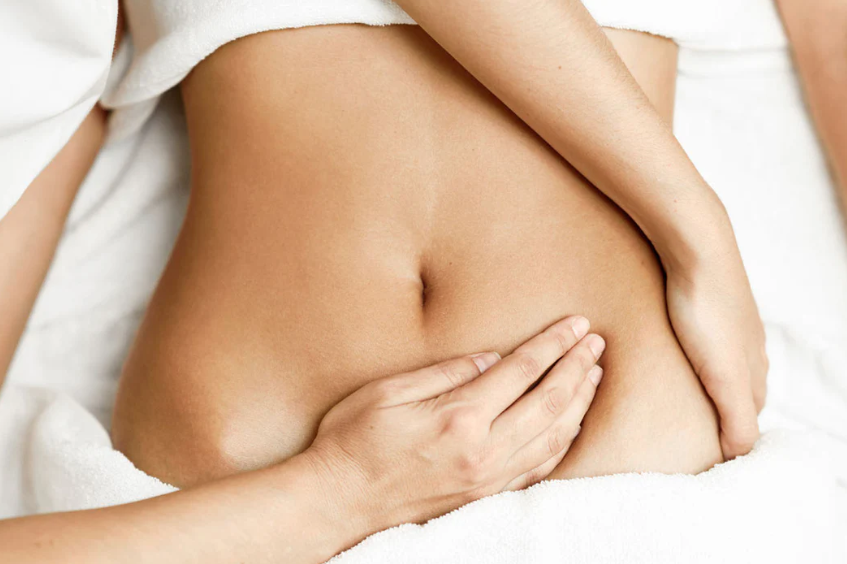
Visceral Manipulation
Visceral manipulation is a gentle hands-on therapy that focuses on improving the mobility and function of the internal organs and the connective tissues surrounding them. By restoring normal movement between the organs and nearby structures, treatment aims to reduce tension, improve circulation, and support the body’s natural ability to move and function efficiently.
How It Works
The body’s organs are connected through fascia, ligaments, and other connective tissues. Restrictions within these tissues may contribute to discomfort, reduced mobility, or altered movement patterns. Visceral manipulation uses gentle, precise techniques to release these restrictions and restore healthy motion between the organs and surrounding tissues.
Potential Benefits
Visceral manipulation may help improve mobility, relieve abdominal and pelvic tension, support healthy posture, reduce musculoskeletal discomfort, and promote overall well-being. It is often combined with other manual therapies as part of a comprehensive treatment plan.
Please note: Visceral manipulation is a complementary therapy and should not replace professional medical advice or treatment.
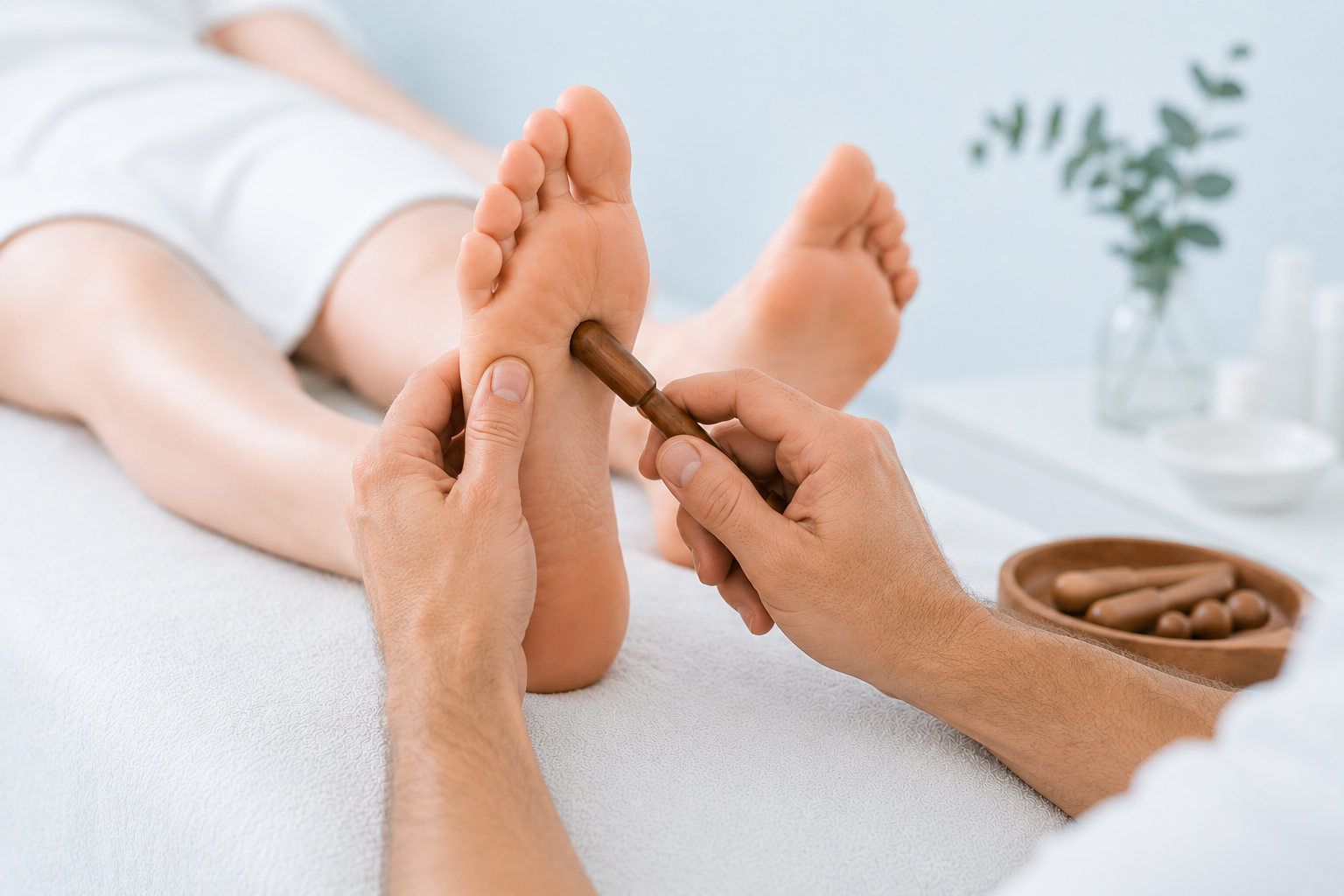
Acupressure
Acupressure is a hands-on therapy that uses gentle pressure on specific points throughout the body to relieve muscle tension, improve circulation, promote relaxation, and support the body’s natural healing processes. Treatment is tailored to your individual needs and may be used on its own or alongside other manual therapies.
Foot Acupressure
The feet are the foundation of the body, providing stability, balance, and movement. Restrictions or imbalances in the feet can create a chain reaction that affects the ankles, knees, hips, and spine. By improving foot mobility and relieving tension, treatment can help restore better movement throughout the body.
Traditional acupressure also recognizes specific pressure points in the feet that are believed to correspond with different organs and body systems. Stimulating these points is used to promote relaxation, improve circulation, and support overall well-being.
Whole-Body Acupressure
While the feet are often a key focus, acupressure can be applied anywhere on the body. Pressure points are selected based on your symptoms and treatment goals to help relieve discomfort, improve mobility, reduce tension, and support recovery.
Please note: Acupressure is a complementary therapy and should not replace professional medical advice or treatment.
Cupping Therapy
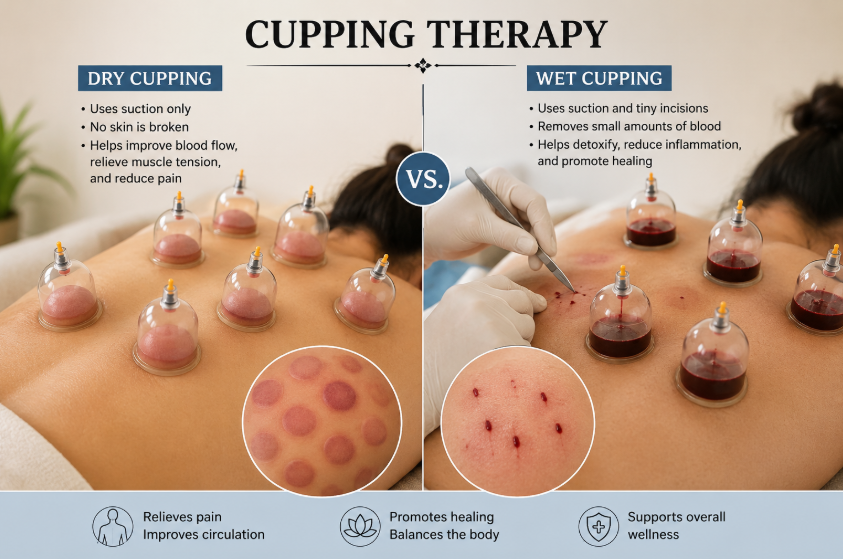
Cupping therapy is a traditional treatment that uses specially designed cups to create gentle suction on the skin. This suction helps increase local blood flow, relieve muscle tension, improve tissue mobility, and support the body’s natural recovery. Depending on your needs, treatment may include either dry cupping or wet cupping (Hijama).
Dry Cupping
Dry cupping uses suction only, without any skin incisions. The cups gently lift the skin and underlying tissues, helping to reduce muscle tightness, improve circulation, and encourage relaxation. It is commonly used to relieve muscular discomfort, improve mobility, and support recovery after physical activity.
Wet Cupping (Hijama)
Wet cupping combines gentle suction with small, superficial skin incisions to remove a small amount of blood. This traditional technique has been practiced for centuries in many cultures and is commonly used as a complementary therapy to support circulation, recovery, and overall well-being.
Some people prefer to receive Wet Cupping (Hijama Therapy) on traditionally recommended dates, while treatment is available throughout the month based on individual needs.
Please note: Cupping therapy is a complementary treatment and should not replace professional medical advice or care.
Personal Coaching
Recovery doesn’t end when the treatment finishes. Lasting results come from combining hands-on therapy with purposeful movement. I’ll guide you through simple, effective exercises and healthy movement habits that help maintain your progress, improve mobility, build strength, and reduce the likelihood of recurring problems. Every program is tailored to your individual needs and designed to be performed at home or wherever you feel comfortable.
Complementary Treatments
Bee Venom Therapy (Apitherapy)
Bee Venom Therapy, also known as Apitherapy, is a traditional treatment that uses carefully administered bee venom to support the body’s natural healing processes and help regulate inflammatory responses. It has been practiced for centuries and is used in both traditional and complementary healthcare settings to support recovery, mobility, and overall well-being. It is often incorporated alongside other therapies to promote healing and physical function.
How It Works
Bee venom contains a range of naturally occurring bioactive compounds, including melittin and apamin, which have been studied for their potential anti-inflammatory and pain-modulating properties. Treatment is carefully tailored to the individual and administered only after a thorough assessment to ensure it is appropriate and safe.
Potential Benefits
Bee Venom Therapy may help reduce pain and inflammation, improve joint mobility, support recovery from certain musculoskeletal conditions, and promote overall physical function. It is often incorporated into a broader treatment plan alongside manual therapy and other complementary techniques.
Please note: Bee Venom Therapy is a complementary treatment and is not suitable for everyone. It should not be used by individuals with a known bee allergy or certain medical conditions. It should not replace professional medical advice or care.
Nettle Therapy (Urtication Therapy)
Nettle Therapy, also known as Urtication Therapy, is a traditional treatment that uses carefully applied stinging nettles to stimulate the body’s natural responses. It has been practiced for centuries and is traditionally used to support circulation, relieve discomfort, and promote physical recovery.
How It Works
The application of nettles creates a controlled skin response that may stimulate local circulation and encourage the release of naturally occurring compounds involved in the body’s inflammatory and healing processes. Treatment is carefully adapted to the individual and performed only after an assessment to ensure it is appropriate and safe.
Potential Benefits
Nettle Therapy may help support circulation, ease muscular and joint discomfort, and promote recovery as part of a broader complementary treatment approach.
Please note: Nettle Therapy is a complementary treatment and is not suitable for everyone. It should be avoided by individuals with certain skin conditions, sensitivities, or medical concerns. It should not replace professional medical advice or care.
Leech Therapy (Hirudotherapy)
Leech Therapy, also known as Hirudotherapy, is a traditional treatment that uses specially bred medicinal leeches to support the body’s natural healing processes and improve circulation. It has been practiced for centuries and is now used in both traditional and modern medical settings, particularly to support tissue healing and recovery. It is often incorporated alongside other therapies to promote healing, mobility, and overall well-being.
How It Works
Medicinal leeches release a range of naturally occurring bioactive substances in their saliva, including hirudin, which has anticoagulant (blood-thinning) properties. These compounds have been studied for their potential effects on circulation, inflammation, and tissue healing. Treatment is carefully tailored to the individual and applied only after a thorough assessment to ensure it is appropriate and safe.
Potential Benefits
Leech Therapy may help improve local blood circulation, reduce venous congestion, support tissue healing, decrease swelling, and promote recovery in certain conditions. It may also help relieve discomfort associated with some musculoskeletal and circulatory conditions when used as part of a broader treatment plan alongside manual therapy and other complementary techniques.
Please note: Leech Therapy is a complementary treatment and is not suitable for everyone. It should not be used by individuals with certain bleeding disorders, those taking anticoagulant medications unless approved by their healthcare provider, or those with certain medical conditions. It should not replace professional medical advice or care.